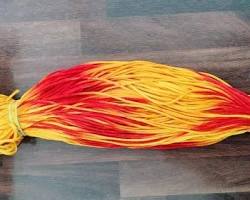
Handmade sacred thread, commonly known as Kalava, Mauli, Moli, Raksha Sutra, or Pooja Kalawa, holds a revered place in Hindu traditions. Crafted with care from pure cotton, this simple yet powerful thread—typically in auspicious red with yellow or saffron accents—represents divine protection, spiritual commitment, and connection to Sanatan Dharma.
Unlike mass-produced machine-made versions, handmade sacred thread carries a unique energy. Artisans or devotees often spin and twist the cotton strands manually while chanting mantras, infusing each thread with sattvik vibrations and positive intent. This handmade process makes it softer, more durable for rituals, and spiritually potent compared to synthetic or factory-spun alternatives.
In this comprehensive guide by Damodaram Enterprise, we explore the deep significance of handmade sacred thread, its benefits, correct usage, differences from other protective threads, and why quality handmade options matter for personal devotion, temples, or wholesale distribution.
What is Handmade Sacred Thread?
Handmade sacred thread is a multi-ply cotton cord, traditionally handspun or hand-twisted from high-quality raw cotton fibers. It is dyed in vibrant red (symbolizing Shakti, vitality, and energy) combined with yellow or saffron (representing purity, knowledge, and prosperity). The thread is often prepared in bundles of seven strands, twisted seven times during rituals for added sanctity.
Key Characteristics of Authentic Handmade Sacred Thread:
- 100% natural cotton for skin-friendliness and breathability.
- Even, vibrant dyeing that resists fading.
- Soft texture that does not irritate the skin during prolonged wear.
- Manual twisting that creates a slight natural variation, adding to its artisanal charm and spiritual authenticity.
Many devotees and priests prefer handmade versions because the human touch and mindful preparation elevate its role from a mere accessory to a consecrated object. Damodaram ensures its premium kalawa offerings maintain this traditional handmade essence while meeting modern consistency standards for bulk needs.
Common Names Across Regions:
- Kalava / Kalawa: Emphasizes protection.
- Mauli / Moli: Meaning “crown” or “supreme,” signifying its exalted status.
- Raksha Sutra: “Thread of protection.”
- Pooja Kalawa or Charadu: Used in ritual kits.
Spiritual Significance and Benefits of Handmade Sacred Thread
In Hinduism, tying a handmade sacred thread is a Vedic practice rooted in ancient scriptures. It invokes blessings from the Trideva (Brahma, Vishnu, Shiva) and Tridevi, creating a protective shield while reinforcing the devotee’s sankalpa (sacred vow).
Core Benefits:
- Divine Protection (Raksha): Acts as a barrier against evil eye (nazar), negative energies, black magic, and planetary afflictions.
- Energy and Vitality: The red color uplifts mood and symbolizes life force; gentle wrist pressure provides an acupressure-like effect, promoting calmness and better circulation.
- Commitment and Mindfulness: Serves as a constant reminder of one’s spiritual goals during pujas, havans, or daily life.
- Purity and Prosperity: Handmade preparation with mantras enhances sattvik qualities, attracting positive energies, health, longevity, and well-being.
Mythological and Cultural Roots: Legends link the thread to stories of protection and devotion, such as Goddess Lakshmi blessing King Bali. In the Mahabharata and Ramayana, similar protective cords safeguarded warriors and loved ones. During Raksha Bandhan, the spirit of raksha strengthens familial bonds.
Scientifically, the ritual encourages mindfulness, reduces stress through symbolic action, and fosters community. The handmade aspect adds personal intention, making the thread feel more alive with devotion.
Who Wears It and How?
- Men and unmarried individuals: Usually on the right wrist (solar, action-oriented side).
- Married women: Often on the left wrist (lunar energy, reflecting traditional seating in rituals).
- Wear for 7–21 days or until it frays naturally, then dispose respectfully in flowing water or at a temple.
Handmade Sacred Thread vs Machine-Made: Why the Difference Matters
While machine-made kalawa is convenient and uniform, handmade sacred thread offers distinct advantages:
- Spiritual Energy: Manual twisting with mantras infuses prana (life force) absent in automated production.
- Texture and Comfort: Softer, more natural feel suitable for sensitive skin and prolonged ritual wear.
- Authenticity: Slight variations reflect artisanal craftsmanship, aligning better with traditional Vedic ideals of purity.
- Durability in Rituals: Better knot-holding and less fraying during twisting and tying.
Many temples and serious devotees insist on handmade or hand-finished threads for major pujas and yagnas. Damodaram bridges tradition and scale by offering high-quality threads that honor handmade principles while ensuring reliable supply.
For targeted protection, compare with black thread in astrology or kala dhaga for babies—handmade sacred thread (red-yellow) focuses on blessings, while black variants absorb negativity.
Step-by-Step Guide: How to Use and Tie Handmade Sacred Thread
- Sanctification: During puja, twist the thread 7 times while chanting protective mantras (e.g., for Ganesha or the main deity).
- Positioning: Face east or north. Extend the correct wrist.
- Tying: Create 3 or 7 knots, each representing a divine aspect or sankalpa.
- Intention: Recite a simple prayer: “I tie this sacred thread for raksha, blessings, and pure devotion.”
- Maintenance: Wear with faith. Remove respectfully when frayed; avoid discarding in trash.
Handmade threads excel here because their natural cotton grip holds knots better without slipping. Poor-quality threads can break or irritate, reducing ritual efficacy.
Versatile Applications of Handmade Sacred Thread
Handmade sacred thread extends beyond wrist tying:
- Tying around kalash, deity idols, or sacred vessels during pujas.
- In havans, yagnas, and sankalpa ceremonies.
- As rakhi during Raksha Bandhan.
- Protecting new homes, vehicles, or valuables.
- Bulk distribution in temples and pooja kits.
- Subtle daily wear as a faith reminder in modern lifestyles.
Crafters sometimes adapt similar high-quality cotton threads for devotional decor, though authentic pooja versions remain pure and handmade-focused.
If you combine rituals with creative projects, explore macrame thread wholesale or types of stretch fabric and stretch thread for handmade-inspired pooja embellishments.
Choosing the Best Handmade Sacred Thread: Quality and Supplier Matters
Not all threads are equal. Inferior options may use synthetic mixes, bleed color, or lack softness—diminishing both beauty and sanctity.
What Defines Premium Handmade Sacred Thread?
- Pure, high-grade cotton spun or twisted traditionally.
- Vibrant, color-fast red-yellow dyeing.
- Soft, non-allergenic finish suitable for all ages.
- Consistent strength for knotting and daily wear.
- Ethical preparation preserving cultural integrity.
Damodaram Enterprise is a trusted name as a raksha sutra kalawa supplier and bulk thread supplier in India. We prioritize quality cotton and traditional standards, making our threads preferred by temples, wholesalers, manufacturers, and exporters. Businesses choose Damodaram for consistency, purity, and value in large orders.
Discover more in our guides: Why Damodaram is the best raksha sutra kalawa supplier in India and how to choose the best thread supplier in India.
Handmade Sacred Thread in Modern Life
Today, handmade sacred thread remains deeply relevant. Urban devotees wear it discreetly, global families maintain traditions via virtual pujas, and parents tie it on newborns for protection and blessings. Its handmade nature resonates with those seeking authenticity amid mass production.
Color psychology and gentle wrist pressure add subtle wellness benefits, while the ritual nurtures gratitude and rootedness.
Conclusion: Embrace the Purity of Handmade Sacred Thread
Handmade sacred thread is more than cotton and dye—it is a living symbol of faith, protection, devotion, and cultural heritage. Its manual crafting process preserves the sacred intent that machine methods often dilute, making it ideal for meaningful rituals.
When selecting your pooja kalawa or raksha sutra, choose quality that honors tradition. Damodaram Enterprise is committed to supplying premium handmade-inspired sacred threads that meet the needs of devotees, temples, and businesses while upholding Sanatan values.
Ready to incorporate authentic handmade sacred thread into your rituals? Explore our range of high-quality kalava, mauli, and pooja threads today. For complementary crafting, check 3mm macrame thread or nylon macrame thread options.
May this sacred thread always bring divine raksha, prosperity, peace, and blessings to you and your loved ones.