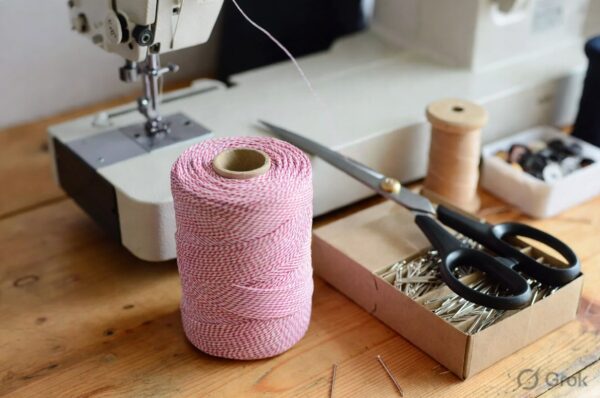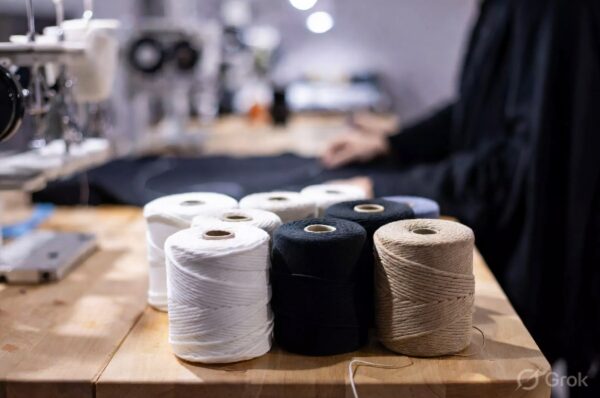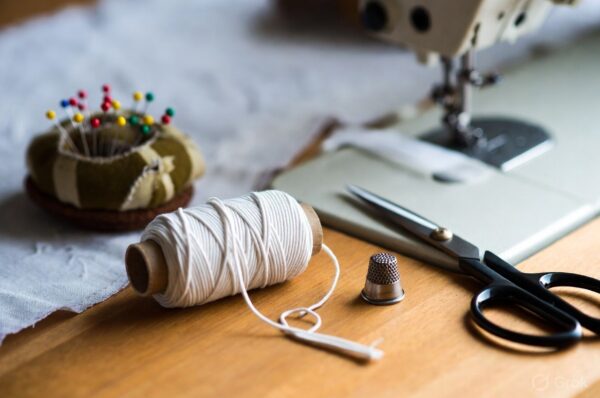

Elastic thread has become an essential tool for sewers, crafters, and fashion designers who want to add stretch and comfort to their garments. Whether you’re creating smocked details, gathering fabric, or adding flexibility to waistbands, learning how to sew with elastic thread can open up a world of creative possibilities. In this comprehensive guide, Damodaram Enterprise, a trusted name in quality threads and sewing supplies across India, will walk you through everything you need to know about sewing with elastic thread.
What is Elastic Thread?
Elastic thread is a specialized sewing thread that contains a rubber or elastic core wrapped with polyester, cotton, or nylon fibers. This unique construction allows the thread to stretch and recover, making it ideal for creating gathered, flexible, and form-fitting details in garments and craft projects. At Damodaram Enterprise, we offer premium quality elastic threads that provide consistent stretch and durability for all your sewing needs.
Types of Elastic Thread
Before diving into the sewing process, it’s important to understand the different types of elastic thread available. Transparent elastic thread is popular for jewelry making and beading projects, while thicker elastic threads work well for garment construction. Damodaram Enterprise stocks various thicknesses, from fine 0.8mm elastic thread perfect for delicate work to heavier options suitable for waistbands and cuffs.
Essential Tools and Materials
To successfully sew with elastic thread, you’ll need the right tools. Start with a quality sewing machine that can handle the tension adjustments required for elastic thread. You’ll also need the elastic thread itself, regular sewing thread for the top thread, sharp needles suitable for your fabric, and fabric marking tools. Having the right equipment ensures professional results every time.
Preparing Your Sewing Machine
One of the most critical steps in sewing with elastic thread is properly setting up your sewing machine. Elastic thread is typically wound onto the bobbin by hand and used only in the bobbin, not the top thread. Wind the elastic thread onto your bobbin with slight tension, being careful not to stretch it excessively during winding. This manual winding process helps maintain the thread’s elasticity and prevents it from becoming overstretched before you even begin sewing.
Bobbin Tension Adjustments
The key to successful elastic thread sewing lies in proper bobbin tension. Unlike regular sewing, you’ll need to loosen the bobbin tension slightly when working with elastic thread. Test the tension on scrap fabric first, adjusting until you achieve the desired gathering effect. The fabric should gather smoothly without the elastic thread showing excessively on the right side of the fabric. Remember, every sewing machine is different, so take time to find the perfect setting for your equipment.
Thread Selection for Top Thread
While elastic thread goes in the bobbin, your top thread should be regular sewing thread that matches your fabric. Choose a quality polyester or cotton thread that coordinates with your project. Damodaram Enterprise offers a wide range of sewing threads perfect for pairing with elastic thread, ensuring both functionality and aesthetic appeal in your finished project.
For those interested in exploring other thread options for different projects, our guide on cotton vs polyester thread can help you make informed decisions about thread selection.
Step-by-Step Sewing Process
Start by marking your fabric where you want the elastic gathering to appear. Set your machine to a straight stitch with a medium to long stitch length, typically between 3 and 4mm. Place your fabric right side up under the presser foot, as the elastic thread will be on the wrong side of the fabric. Begin sewing slowly, allowing the elastic thread to gather the fabric naturally as you stitch.
Maintain consistent speed and avoid pulling or pushing the fabric, as this can create uneven gathering. The elastic thread in the bobbin will automatically create the gathered effect as it contracts after stitching. For parallel rows of elastic stitching, use your presser foot or a seam guide to keep rows evenly spaced.
Common Techniques and Applications
Elastic thread shines in various sewing applications. Smocking creates beautiful decorative gathers on children’s clothing, blouses, and dresses. For smocking, sew multiple parallel rows of elastic stitching, typically spaced about half an inch apart. The number of rows depends on how much gathering you want to achieve.
Shirring is another popular technique using elastic thread, perfect for creating stretchy bodices, cuffs, and waistbands. This technique involves sewing several rows of elastic stitching close together to create a flexible, form-fitting area of fabric.
Troubleshooting Common Problems
Even experienced sewers encounter challenges when working with elastic thread. If your elastic thread keeps breaking, you may be winding it too tightly on the bobbin or your tension is too tight. Loosen the bobbin tension slightly and ensure you’re not overstretching the thread during winding.
Uneven gathering often results from inconsistent sewing speed or fabric movement. Practice maintaining steady pressure on the foot pedal and let the feed dogs move the fabric naturally. If the elastic thread shows too much on the right side of the fabric, adjust your bobbin tension or try using a slightly longer stitch length.
For more insights into common elastic thread issues, check out our article on 5 common problems with elastic threads and their solutions.
Fabric Considerations
Not all fabrics work equally well with elastic thread. Lightweight to medium-weight woven fabrics typically give the best results. Cotton, cotton blends, rayon, and lightweight linens are excellent choices. Very heavy fabrics may not gather well, while extremely thin or delicate fabrics might pucker excessively.
Always test your technique on a scrap piece of your project fabric before starting on the actual garment. This testing phase helps you dial in the perfect tension settings and stitch length for your specific fabric.
Care and Maintenance
Projects sewn with elastic thread require special care to maintain their stretch and appearance. Hand washing or using the gentle cycle on your washing machine helps preserve the elasticity. Avoid high heat when drying, as excessive heat can damage the elastic fibers. Air drying or tumble drying on low heat works best for elastic thread projects.
Store elastic thread in a cool, dry place away from direct sunlight. UV exposure can degrade elastic fibers over time, reducing their stretch and recovery properties. Damodaram Enterprise packages all elastic threads in protective packaging to ensure they reach you in perfect condition.
Advanced Techniques
Once you’ve mastered basic elastic thread sewing, explore advanced techniques like combining elastic thread with decorative stitches or creating custom smocking patterns. Experiment with different colored threads to create subtle or bold decorative effects. The combination of functional gathering and visual appeal makes elastic thread an incredibly versatile tool.
Why Choose Damodaram Enterprise for Your Elastic Thread Needs
At Damodaram Enterprise, we understand that quality materials make all the difference in your sewing projects. Our elastic threads are carefully selected for consistent stretch, durability, and reliability. Whether you need transparent elastic thread for jewelry making or robust elastic thread for garment construction, we have the perfect solution for your needs.
We also offer comprehensive support and resources for sewers at all skill levels. Our blog features regular updates on techniques, tips, and best practices for working with all types of threads and materials. For insights into selecting quality sewing supplies, read our article on how to identify high-quality sewing thread.
Exploring Other Thread Options
While elastic thread is perfect for gathering and stretch applications, different projects require different thread types. Damodaram Enterprise offers an extensive range of threads including nylon macrame threads for crafting, embroidery threads, and specialized sewing threads for various applications.
Crafters interested in macrame and DIY projects might also enjoy our 1mm macrame thread options and 3mm macrame thread varieties, perfect for creating beautiful handmade items.
Conclusion
Sewing with elastic thread opens up exciting possibilities for creating comfortable, stylish, and functional garments and crafts. With proper technique, the right tools, and quality materials from Damodaram Enterprise, you can master this versatile sewing skill. Remember that practice makes perfect, and don’t be discouraged if your first attempts aren’t flawless. Take time to experiment with tension settings, stitch lengths, and different fabrics to discover what works best for your projects.
Whether you’re adding smocked details to a dress, creating a stretchy waistband, or experimenting with shirring techniques, elastic thread provides the flexibility and functionality modern sewers need. Damodaram Enterprise remains committed to providing the highest quality threads and supplies to support your creative journey.
For businesses looking to source quality threads in bulk, explore our bulk thread supplier services and discover why manufacturers across India trust Damodaram Enterprise for their thread needs.
Start your elastic thread sewing journey today with confidence, knowing you have the guidance and quality materials needed for success.