Kalava thread, popularly known as Kalawa, Moli, Mauli, or Raksha Sutra, is a simple yet profoundly significant cotton thread used extensively in Hindu rituals across India and the global Hindu community. Dyed primarily in auspicious red with accents of yellow or saffron, this sacred thread symbolizes divine protection, positive energy, and a deep connection to Sanatan Dharma.
Whether tied during daily pujas, grand havans, weddings, or festivals like Raksha Bandhan, the kalava thread serves as a spiritual shield against negativity, evil eye (nazar), and obstacles while inviting blessings from the deities. Many devotees refer to it interchangeably as mauli thread or pooja kalawa, highlighting its central role in preserving cultural and religious practices.
In this ultimate guide by Damodaram Enterprise, we delve deep into the meaning, history, spiritual importance, correct tying method, differences from other protective threads, and why choosing high-quality kalava thread matters for personal use, temples, or wholesale needs.
What Exactly is Kalava Thread?
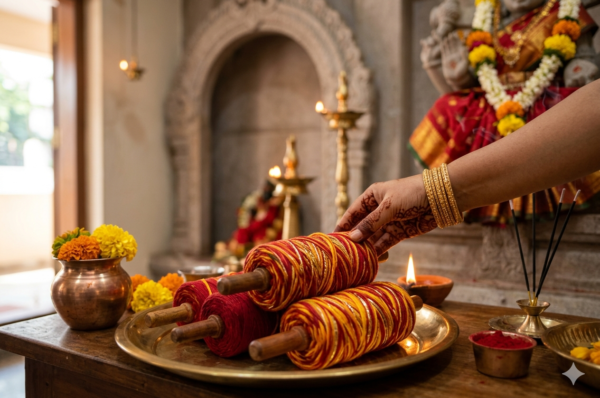
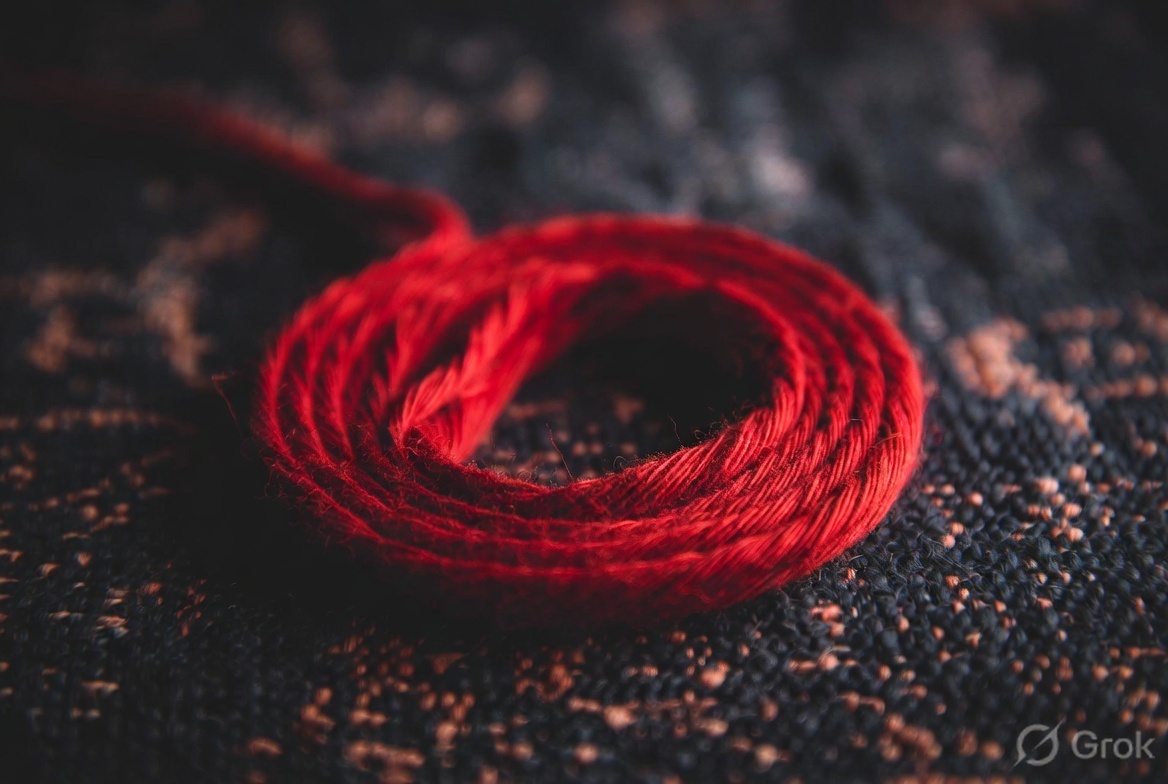
Kalava thread is a sanctified cotton thread, typically made from high-quality spun cotton yarns that are twisted together and dyed in traditional colors. The most common combination is vibrant red (representing Shakti, energy, and vitality) with yellow or saffron threads (symbolizing purity, wisdom, and prosperity).
Unlike ordinary sewing or embroidery threads, kalava is prepared with spiritual intent. During rituals, it is often twisted seven times while chanting mantras, infusing it with sattvik (pure) vibrations. This makes it soft on the skin, durable for the ritual duration, and free from harsh chemicals that could cause irritation.
Common Names and Regional Variations:
- Kalava / Kalawa: Widely used in North India, emphasizing its protective role.
- Mauli / Moli: Refers to its exalted status, meaning “crown” or supreme.
- Raksha Sutra: Literally “thread of protection.”
- Pooja Kalawa or Charadu: Terms used in puja kits and temple distributions.
Premium kalava threads from trusted manufacturers like Damodaram are crafted to maintain color fastness, strength, and softness, ensuring they uphold the sanctity of every ritual.
Spiritual Significance and Benefits of Tying Kalava Thread
In Hindu scriptures and traditions, tying kalava is far more than a custom—it is a powerful Vedic practice that invokes the blessings of the Trideva (Brahma, Vishnu, Shiva) and Tridevi (Saraswati, Lakshmi, Parvati). It is believed to create a protective aura around the wearer, ward off negative energies, and promote overall well-being.
Key Spiritual Benefits:
- Protection from Evil Forces: Kalava acts as a raksha (shield) against nazar, black magic, planetary doshas, and unforeseen obstacles.
- Positive Energy and Sankalpa: It reinforces the devotee’s vow (sankalpa) during pujas and yagnas, helping maintain focus and purity.
- Health and Vitality: The gentle pressure on wrist acupressure points is said to improve blood circulation, balance tridoshas (Vata, Pitta, Kapha), and promote calmness and reduced stress.
- Prosperity and Longevity: Red symbolizes life force and courage, while the thread is linked to happiness, health, and divine grace.
Mythological Roots: One popular legend connects kalava to Goddess Lakshmi tying a protective thread on King Bali, symbolizing devotion and protection. In the Ramayana and Mahabharata eras, similar threads were used for safeguarding loved ones. During Raksha Bandhan, the rakhi thread strengthens sibling bonds with the same spirit of raksha.
Scientifically, the ritual fosters mindfulness, community bonding, and psychological reassurance—elements that enhance emotional resilience in modern life.
Who Wears It and on Which Wrist?
- Men and unmarried individuals: Typically on the right wrist (associated with action and solar energy).
- Married women: Often on the left wrist (linked to lunar energy and the position beside the husband in rituals). Some regional variations exist, so follow family or priestly guidance.
The thread is usually worn for 7 to 21 days or until it naturally frays, after which it should be removed respectfully and immersed in flowing water or offered at a temple.
Kalava Thread vs Mauli Thread vs Black Thread: Understanding the Differences
Kalava is often used synonymously with mauli thread, as both refer to the same red-yellow sacred cotton thread used in general auspicious ceremonies. The slight naming difference is mostly regional.
However, it differs significantly from black thread (kala dhaga):
- Kalava / Mauli: Red and yellow tones for invoking blessings, positive energy, and divine connection during pujas and festivals. It is proactive in attracting prosperity and protection through deities.
- Black Thread: Primarily absorptive, used to ward off specific negative influences, evil eye, or malefic effects of planets like Shani or Rahu. It is often recommended by astrologers for targeted remedies and tied on ankles, waist, or as per dosha.
Many households use both complementarily: kalava for overall auspiciousness and black thread for additional shielding. Damodaram supplies premium options in both, including specialized 1mm black macrame thread for astrological needs.
For deeper reading, see our dedicated articles: black thread in astrology – who should wear it and when and kala dhaga for babies – why Indian parents tie it to newborns.
Step-by-Step Guide: How to Tie Kalava Thread Correctly
Tying kalava is a sacred act performed with reverence:
- Preparation: During the puja or havan, the priest (or elder) sanctifies the thread by twisting it while chanting protective mantras (e.g., for Ganesha or the main deity).
- Positioning: Face east or north. Extend the appropriate wrist.
- Knotting: Tie three or seven knots, each symbolizing a divine aspect or sankalpa.
- Mantra Recitation: Chant something simple like “With this kalava, I seek divine raksha and blessings.”
- Aftercare: Wear it with faith. Remove only when it frays or after the prescribed period. Dispose of it respectfully—never throw it in garbage.
Using poor-quality thread that fades, frays quickly, or causes skin issues can dilute the ritual’s spiritual potency. Always opt for soft, color-fast, 100% cotton kalava.
Versatile Uses of Kalava Thread in Daily and Festival Life
Beyond wrist tying, kalava thread finds many applications:
- Tying around puja kalash, idols, or sacred items to sanctify them.
- During havans, yagnas, and sankalpa ceremonies.
- As part of rakhi on Raksha Bandhan.
- Protecting new vehicles, homes, or gadgets by tying on handles or gates.
- In bulk temple distributions and pooja samagri kits.
- As a subtle daily reminder of faith, even under sleeves in modern lifestyles.
For those blending tradition with creativity, similar high-strength cotton threads are sometimes used in religious crafts, though authentic pooja kalawa remains pure cotton.
If you explore crafting alongside rituals, our guides on macrame thread wholesale or types of stretch fabric and stretch thread may interest you for decorative pooja decor.
Why Quality Kalava Thread Matters – Choosing the Best Supplier in India
In today’s market, not all kalava threads deliver the same spiritual and practical value. Inferior threads may use synthetic blends, bleed color, or break easily, compromising both aesthetics and sanctity.
Hallmarks of Premium Kalava Thread:
- Made from 100% high-grade cotton for softness and skin-friendliness.
- Even, vibrant dyeing that resists fading or bleeding.
- Proper multi-ply twisting for strength and longevity.
- Free from harmful chemicals; non-allergenic.
- Available in spools, rolls, or pre-cut lengths suitable for retail or bulk temple use.
Damodaram Enterprise has earned trust as one of the leading raksha sutra kalawa suppliers and bulk thread suppliers in India. We manufacture pooja kalawa using superior cotton, ensuring consistency, durability, and adherence to traditional standards. Indian manufacturers, temples, wholesalers, and exporters prefer Damodaram for large orders due to reliable quality, timely delivery, and competitive pricing.
Our commitment preserves Sanatan traditions while meeting modern demands. Explore why businesses choose us in our article: Why Damodaram is the best raksha sutra kalawa supplier in India and how to choose the best thread supplier in India.
Kalava Thread in Contemporary Times
Even as lifestyles evolve, kalava thread retains its relevance. Urban professionals wear it discreetly as a symbol of rooted faith. Global Hindu families maintain the tradition during virtual pujas. Parents tie it on newborns for protection, and youth incorporate it into minimalistic accessories.
Color psychology supports the uplifting effect of red, while the ritual itself encourages presence and gratitude.
Conclusion: Embrace the Divine Power of Kalava Thread
Kalava thread is a timeless emblem of protection, devotion, and cultural continuity in Hinduism. From ancient Vedic rituals to today’s fast-paced world, it continues to bless millions with positivity, strength, and divine grace.
When selecting kalava thread, prioritize authenticity and quality to honor its sacred purpose. Damodaram Enterprise is dedicated to supplying premium pooja kalawa and raksha sutra that meet the highest standards for devotees, temples, retailers, and businesses.
Ready to bring home or stock authentic kalava thread? Browse our collection of high-quality sacred threads today. For crafting needs, discover related products like 3mm macrame thread in India or nylon macrame thread options.
May the sacred kalava thread always bring raksha, prosperity, peace, and divine blessings into your life and home.