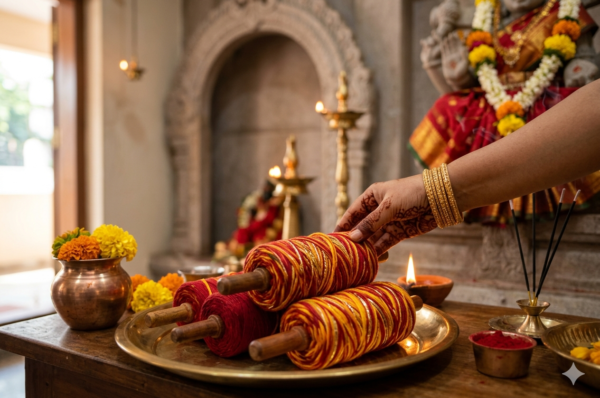

Mauli thread, also widely known as Kalawa, Moli, Raksha Sutra, or Kalava, is one of the most recognizable symbols in Hindu culture and spirituality. This simple yet powerful cotton thread—usually dyed in vibrant red with touches of yellow—holds profound significance in daily worship, grand pujas, havans, and life ceremonies across India and the global Hindu diaspora.
Tied around the wrist during rituals, the mauli thread serves as a divine shield of protection (raksha), a reminder of sankalpa (sacred vow), and a conduit for blessings from deities. Whether you call it mauli thread, pooja kalawa, or sacred raksha dhaga, its essence remains the same: it connects the wearer to higher energies, wards off negativity, and symbolizes commitment to dharma.
In this comprehensive guide by Damodaram Enterprise, we explore everything about mauli thread—its meaning, history, spiritual benefits, how to tie it correctly, differences from black thread, and why quality matters when buying in bulk for temples, shops, or personal use.
What is Mauli Thread? Understanding the Sacred Cotton Thread
Mauli thread is a sanctified cotton thread, typically twisted or spun from raw cotton yarn and dyed in auspicious colors, predominantly red (symbolizing energy, strength, and Shakti) combined with yellow or saffron (representing purity, knowledge, and prosperity).
Unlike regular sewing threads or embroidery threads, mauli is not just functional—it is ritualistically prepared. Priests or devotees often twist it seven times while chanting mantras, infusing it with positive vibrations before tying.
Etymology and Names:
- Mauli: Derived from Sanskrit, meaning “crown” or “above all.” It signifies that the wearer places divine protection above worldly concerns.
- Kalawa / Kalava: Refers to the protective cord used in rituals.
- Raksha Sutra: Literally “protection thread,” emphasizing its role in safeguarding from evil eye (nazar), obstacles, and negative energies.
- Moli / Mouli: Common regional variations used in North India.
This thread is soft, skin-friendly, and durable enough to last the ritual period without causing irritation. High-quality mauli threads from trusted manufacturers like Damodaram are made from premium cotton, ensuring they remain strong even after repeated handling during pujas.
Spiritual and Astrological Significance of Tying Mauli Thread
In Hinduism, tying mauli thread is not superstition but a deeply rooted Vedic practice. It is believed to invoke the blessings of the Trideva (Brahma, Vishnu, Shiva) and Tridevi (Saraswati, Lakshmi, Durga).
Key Benefits and Symbolism:
- Protection (Raksha): The red thread acts as a barrier against negative forces, evil eye, and malefic planetary influences. It is said to absorb harmful energies and channel divine grace.
- Commitment and Sankalpa: During pujas or yagnas, tying mauli represents a vow to complete the ritual with purity and focus.
- Long Life and Well-being: Red symbolizes vitality and Shakti, while the thread is linked to health, prosperity, and longevity.
- Acupressure Effect: Some traditions note that the gentle pressure on wrist points (similar to acupuncture) promotes physiological balance and calmness.
Who Ties Mauli and on Which Hand?
- Men and unmarried women: Usually on the right wrist.
- Married women: Often on the left wrist (or right in some regional traditions), reflecting the Ardhanarishwara concept where the wife sits to the left of the husband.
The thread is typically worn for a specific period—often up to 21 days—after which it is respectfully removed and immersed in flowing water or offered at a temple.
Mythological References: Legends associate mauli with stories of Lord Vishnu and King Bali, where the thread symbolizes protection and devotion. In the Mahabharata, Kunti tied a protective thread on her son’s wrist. During Raksha Bandhan, a similar thread (rakhi) strengthens sibling bonds.
Mauli Thread vs Black Thread (Kala Dhaga): Key Differences
Many people confuse mauli (red/yellow) with black thread used in astrology. While both serve protective purposes, they differ significantly:
- Mauli Thread: Red and yellow cotton thread for general rituals, pujas, and blessings. It attracts positive energy, invokes deities, and is tied during auspicious ceremonies.
- Black Thread (Kala Dhaga): Primarily used to ward off specific evil influences, Nazar, or planetary doshas related to Shani and Rahu. It is often tied on the waist, ankle, or as advised by astrologers and is more absorptive of negativity rather than blessing-oriented.
In many households, both are used complementarily: mauli for divine connection and black thread for targeted protection. Damodaram offers premium quality in both categories, including specialized black macrame thread and 1mm black thread options for those seeking authentic astrological threads.
For detailed insights, explore our guide on black thread in astrology: who should wear it and when and kala dhaga for babies.
How to Tie Mauli Thread: Step-by-Step Ritual Guide
Tying mauli is a simple yet sacred act. Here’s the traditional method:
- Sanctify the Thread: During the puja, the priest or head of the family twists the mauli thread while chanting protective mantras (e.g., invoking Lord Ganesha or the main deity).
- Position: Sit facing east or north. For men—right wrist; for women—left or as per custom.
- Knots: Tie it with three or seven knots, each representing a sankalpa or divine aspect.
- Mantra: Common chant: “I am tying this thread as a symbol of raksha, with the blessings of the divine.”
- Duration: Keep it until it naturally frays or for the prescribed days (often 7–21 days). Remove respectfully.
Always use high-quality, color-fast cotton mauli that does not bleed or weaken quickly. Poor-quality threads can break easily or cause skin irritation, diminishing the ritual’s sanctity.
Uses of Mauli Thread Beyond Wrist Tying
Mauli thread is versatile in Hindu practices:
- Tying on puja items, kalash, or deity idols to sanctify them.
- During havans and yagnas for sankalpa.
- As rakhi on Raksha Bandhan.
- In temple distributions and bulk pooja kits.
- For personal daily protection or gifting during festivals like Navratri, Diwali, or weddings.
Crafters and bulk buyers also use similar high-strength cotton or nylon blends for decorative religious crafts, though traditional mauli remains pure cotton.
For related crafting needs, check our guides on types of stretch fabric and stretch thread or macrame thread wholesale if you blend tradition with modern DIY pooja decor.
Why Quality Matters: Choosing the Best Mauli Thread Supplier in India
In a market flooded with options, not all mauli threads are equal. Low-grade threads may use synthetic mixes, fade quickly, or lack the soft texture needed for skin contact and repeated knotting.
What to Look for in Premium Mauli Thread:
- 100% high-quality cotton for softness and durability.
- Even dyeing in traditional red-yellow shades that do not bleed.
- Proper twisting for strength without fraying.
- Skin-friendly and non-allergenic.
- Available in convenient rolls or pre-cut lengths for temples and retailers.
Damodaram Enterprise stands out as a trusted bulk thread supplier in India and raksha sutra kalawa supplier. We manufacture pooja kalawa using premium cotton, ensuring it meets the highest standards for temples, wholesalers, and exporters. Our threads are soft, long-lasting, and spiritually appropriate—preferred by Indian manufacturers and businesses for large orders.
Businesses trust Damodaram for consistent quality, competitive pricing, and reliable supply. Whether you need small retail packs or wholesale quantities, we deliver authenticity that preserves tradition.
Read more: Why Damodaram is the best raksha sutra kalawa supplier in India and how to choose the best thread supplier in India.
Modern Relevance: Mauli Thread in Contemporary Life
Even in today’s fast-paced world, mauli thread remains relevant. Many wear it discreetly under sleeves as a constant reminder of faith and protection. Fashion-conscious youth combine it with minimal jewelry, while global Hindus maintain the tradition during online pujas and virtual rituals.
Scientific perspectives also acknowledge potential benefits: the red color can uplift mood (color psychology), and the wrist-tying ritual promotes mindfulness and community bonding.
For parents, tying mauli or kala dhaga on newborns is a common protective practice rooted in love and cultural continuity.
Conclusion: Embrace the Timeless Power of Mauli Thread
Mauli thread is far more than a piece of colored cotton—it is a living symbol of Sanatan Dharma, divine protection, and cultural heritage. From ancient Vedic rituals to modern-day pujas, it continues to bind generations with faith, positivity, and strength.
When choosing mauli thread, prioritize quality and authenticity. Damodaram Enterprise is committed to preserving this sacred tradition by supplying premium pooja kalawa and mauli threads that meet the needs of devotees, temples, and businesses across India and beyond.
Ready to stock or buy high-quality mauli thread? Explore our range of pooja kalawa, raksha sutra, and other sacred threads today. For crafting enthusiasts, discover complementary products like 3mm macrame thread or nylon macrame thread.
May the blessings of mauli thread bring protection, prosperity, and peace into your life.