When it comes to choosing the right thread material for your crafting, sewing, or macrame projects, the debate between polyester and nylon threads is ongoing. Both materials have their unique properties, advantages, and ideal applications. At Damodaram Enterprise, we understand the importance of selecting the right thread for your specific needs, which is why we offer high-quality options in both materials. In this comprehensive guide, we’ll explore the differences between polyester and nylon threads to help you make an informed decision.
Understanding Polyester Thread
Polyester is a synthetic fiber known for its durability and resistance to various environmental factors. It has become one of the most popular thread materials in the textile industry, and for good reason. Polyester threads are manufactured through a chemical process that creates long-chain polymers, resulting in a strong and versatile material.
One of the primary advantages of polyester thread is its exceptional resistance to UV rays and sunlight exposure. This makes it an ideal choice for outdoor applications, such as outdoor cushions, awnings, and other items that will be exposed to the elements. Additionally, polyester maintains its color brilliantly over time, resisting fading even after prolonged sun exposure.
Polyester thread also exhibits excellent resistance to chemicals, including bleach and most cleaning agents. This characteristic makes it perfect for items that require frequent washing or exposure to harsh cleaning products. The thread maintains its integrity and strength even after multiple wash cycles, making it a reliable choice for garments and home textiles.
The Properties of Nylon Thread
Nylon, another synthetic fiber, was actually the first synthetic fiber ever produced. It has a rich history in the textile industry and remains a popular choice for various applications. At Damodaram Enterprise, we specialize in high-quality nylon threads, particularly for macrame and craft projects.
Nylon threads are known for their exceptional strength and elasticity. This material can stretch significantly without breaking, making it ideal for applications that require flexibility and durability. The elastic properties of nylon make it particularly suitable for items that need to withstand stress and movement, such as luggage straps, outdoor gear, and athletic wear.
Our 1mm nylon macrame thread is especially popular among crafters for creating intricate macrame designs, bracelets, and jewelry. The smooth texture of nylon allows for easy knotting and manipulation, making it perfect for detailed craftwork.
Strength and Durability Comparison
When comparing the strength of polyester versus nylon, both materials offer impressive durability, but in different ways. Nylon is generally considered stronger than polyester when measured by tensile strength. It can handle more weight and stress before breaking, which is why it’s commonly used in applications requiring maximum strength, such as climbing ropes and parachute cords.
However, polyester offers better dimensional stability. While nylon may be stronger in terms of tensile strength, it tends to lose some of that strength when wet. Polyester, on the other hand, maintains its strength whether wet or dry, making it more reliable for applications involving moisture exposure.
For craft enthusiasts working with macrame, our 2mm nylon macrame thread provides the perfect balance of strength and workability. The slightly thicker diameter offers enhanced durability while still being manageable for intricate knotwork.
Moisture Absorption and Performance
One significant difference between polyester and nylon lies in their moisture absorption properties. Nylon is hygroscopic, meaning it absorbs moisture from the air. While this can be advantageous in certain applications, it can also lead to dimensional changes and reduced strength when the material becomes wet. Nylon can absorb up to 8% of its weight in water, which may cause it to swell and lose some of its tensile strength temporarily.
Polyester, conversely, is hydrophobic and absorbs very little moisture. This characteristic makes polyester threads maintain their dimensions and strength regardless of humidity levels or water exposure. For projects that will be frequently washed or exposed to moisture, polyester might be the better choice.
Elasticity and Stretch Recovery
Nylon excels in elasticity and stretch recovery. It can stretch up to 30% of its original length and return to its original shape, making it ideal for applications requiring flexibility. This property is particularly beneficial for elastic threads used in jewelry making and beading projects.
Polyester, while still offering some stretch, is less elastic than nylon. It typically stretches only about 10% of its original length. However, this lower elasticity can be advantageous for applications where dimensional stability is crucial, such as in tailoring and garment construction where maintaining shape is essential.
Color Retention and Dyeing
Both polyester and nylon can be dyed in various colors, but they behave differently in the dyeing process. Polyester is more resistant to dye penetration, which means the dyeing process requires higher temperatures. However, once dyed, polyester maintains its color exceptionally well, resisting fading from sunlight, washing, and chemical exposure.
Nylon accepts dye more readily than polyester, allowing for more vibrant and varied color options. At Damodaram Enterprise, we offer our nylon macrame threads in a wide spectrum of colors, from traditional blacks and whites to vibrant neons and pastels. This makes nylon an excellent choice for decorative projects where color variety is important.
Heat Resistance and Melting Points
Understanding the heat resistance of your thread material is crucial, especially for sewing applications. Nylon has a lower melting point than polyester, typically around 220°C (428°F). This means you need to be more careful when ironing items made with nylon thread to avoid melting or damaging the fibers.
Polyester has a higher melting point, usually around 260°C (500°F), making it more forgiving during pressing and ironing. This higher heat resistance makes polyester a preferred choice for professional tailoring and garment construction where high-temperature pressing is common.
Cost Considerations
From a cost perspective, polyester is generally less expensive than nylon. This price difference can be significant when purchasing thread in bulk for commercial or large-scale projects. However, at Damodaram Enterprise, we believe in offering competitive pricing on both our polyester and nylon thread products without compromising on quality.
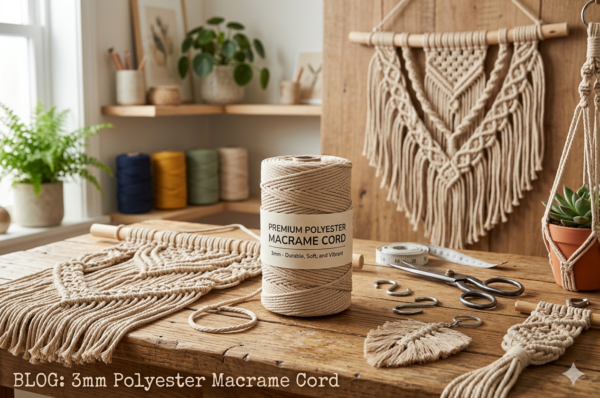
For crafters and small business owners, our 3mm macrame thread options provide excellent value, whether you choose polyester or nylon based on your project requirements.
Best Applications for Each Material
Understanding the ideal applications for each thread type can help you make the right choice for your specific project. Nylon threads are particularly well-suited for applications requiring high strength and elasticity. At Damodaram Enterprise, we recommend nylon for projects such as macrame wall hangings, plant hangers, bracelets, and jewelry making. The material’s ability to hold knots securely while maintaining flexibility makes it perfect for decorative and functional crafts.
For those wondering how to choose the right nylon macrame thread, consider the project’s requirements for strength, flexibility, and appearance. Our extensive range ensures you’ll find the perfect thread for any creative endeavor.
Polyester threads shine in applications requiring dimensional stability and resistance to environmental factors. They’re ideal for outdoor upholstery, marine applications, and items that will be frequently washed or exposed to sunlight. In garment construction, polyester threads are often preferred for their reliability and consistent performance.
Environmental Considerations
Both polyester and nylon are synthetic materials derived from petroleum products, which raises environmental concerns. However, both materials are durable and long-lasting, which means products made with these threads typically have extended lifespans, reducing the need for frequent replacements.
Recycling options for both materials are improving, with various initiatives working to reclaim and repurpose synthetic fibers. When choosing between polyester and nylon, consider the longevity of your project and select the material that will provide the best performance over time, ultimately reducing waste.
Making Your Choice with Damodaram Enterprise
The choice between polyester and nylon ultimately depends on your specific project requirements. If you need maximum strength, excellent elasticity, and vibrant color options for craft projects, nylon from Damodaram Enterprise is an excellent choice. Our range of nylon threads for bracelets and macrame projects offers quality and variety to meet all your creative needs.
For projects requiring superior UV resistance, chemical resistance, and dimensional stability, particularly for outdoor or frequently washed items, polyester might be your better option. However, for most craft and macrame applications, our high-quality nylon threads provide the perfect combination of strength, flexibility, and workability.
At Damodaram Enterprise, we’re committed to providing high-quality threads for all your crafting needs. Whether you’re a professional artisan or a hobbyist exploring macrame craft ideas, we have the materials and expertise to support your creative journey. Visit our store to explore our complete range of threads and find the perfect material for your next project.