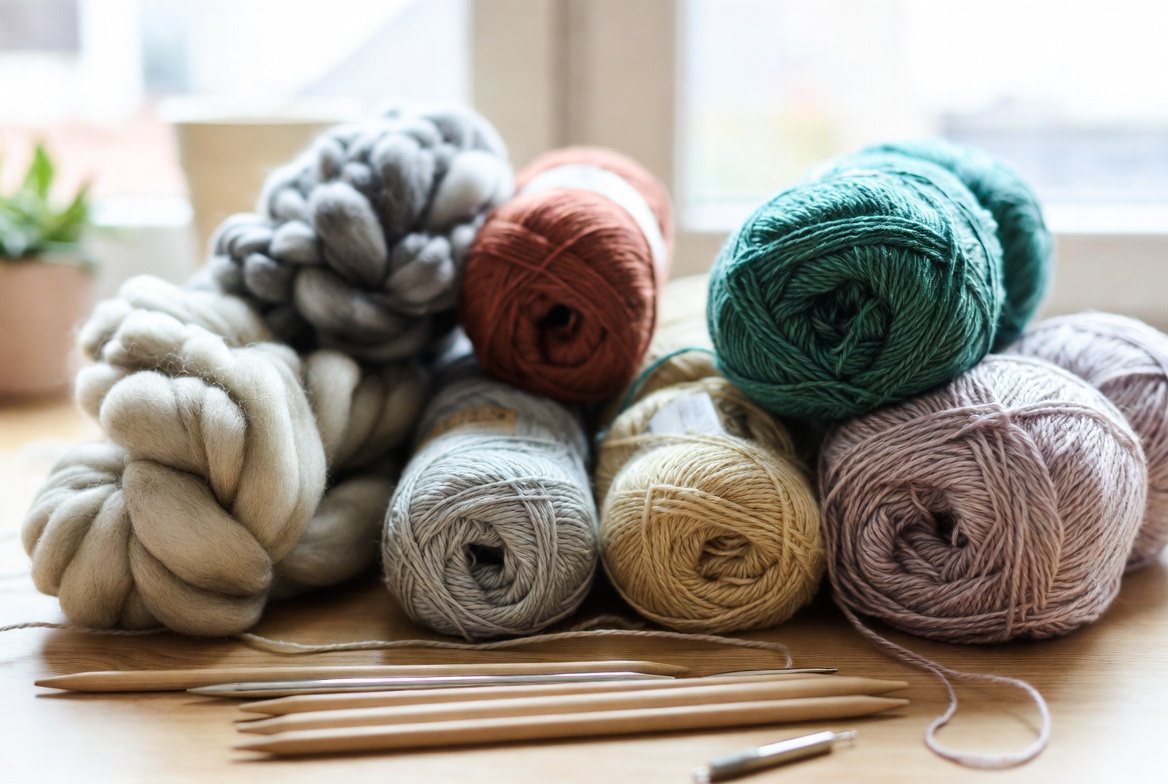
When starting a knitting or crochet project, one of the most important decisions you’ll make is selecting the right yarn weight. Whether you’re a beginner or an experienced crafter, understanding yarn weights and their corresponding needle or hook sizes can make the difference between a successful project and a frustrating experience. At Damodaram Enterprise, we understand the importance of making informed choices, which is why we’ve created this comprehensive guide to help you navigate the world of yarn weights.
What is Yarn Weight?
Yarn weight refers to the thickness of the yarn strand. It’s a standardized system that helps crafters determine which type of yarn is suitable for their projects. The Craft Yarn Council has established a numbering system from 0 to 7, with 0 being the finest lace-weight yarn and 7 being the thickest jumbo yarn. Understanding this system is crucial for achieving the desired results in your knitting and crochet projects.
The weight of your yarn directly affects the drape, texture, and overall appearance of your finished project. A lightweight yarn creates delicate, flowing fabrics perfect for shawls and summer garments, while heavier weights produce warm, sturdy items like winter sweaters and blankets.
The Standard Yarn Weight System
The standardized yarn weight system includes seven main categories. Lace weight yarn, labeled as category 0, is the finest option available and requires small needles or hooks. This delicate yarn is perfect for intricate lacework and lightweight accessories. Super fine or fingering weight yarn falls into category 1 and works well for socks, baby items, and detailed colorwork projects.
Fine or sport weight yarn, category 2, offers versatility for lightweight sweaters and children’s garments. Light worsted or DK weight yarn, category 3, is one of the most popular choices among crafters due to its balance between detail and speed. Medium or worsted weight yarn, category 4, is the most commonly used weight for general knitting and crochet projects.
Bulky or chunky yarn, category 5, creates quick projects with substantial fabric, making it ideal for cozy blankets and winter accessories. Super bulky yarn, category 6, works up even faster and produces extra-warm items. Finally, jumbo yarn, category 7, is the thickest option available and creates impressive statement pieces in minimal time.
Matching Yarn Weight to Needle and Hook Sizes
Choosing the correct needle or hook size for your yarn weight is essential for achieving proper gauge and tension. Using needles or hooks that are too small will create tight, stiff fabric, while tools that are too large produce loose, floppy material. At Damodaram Enterprise, we recommend referring to our detailed needle and hook size chart for precise guidance.
Lace weight yarn typically pairs with 1.5 to 2.25mm knitting needles or steel crochet hooks. Super fine yarn works best with 2.25 to 3.25mm needles or B-1 to E-4 crochet hooks. Fine yarn requires 3.25 to 3.75mm needles or E-4 to 7 crochet hooks. Light worsted yarn uses 3.75 to 4.5mm needles or 7 to I-9 crochet hooks.
Medium weight yarn pairs with 4.5 to 5.5mm needles or I-9 to K-10.5 crochet hooks. Bulky yarn works with 5.5 to 8mm needles or K-10.5 to M-13 crochet hooks. Super bulky yarn requires 8 to 12mm needles or M-13 to Q crochet hooks, while jumbo yarn needs 12mm and larger needles or Q and larger crochet hooks.
Understanding Yarn Labels
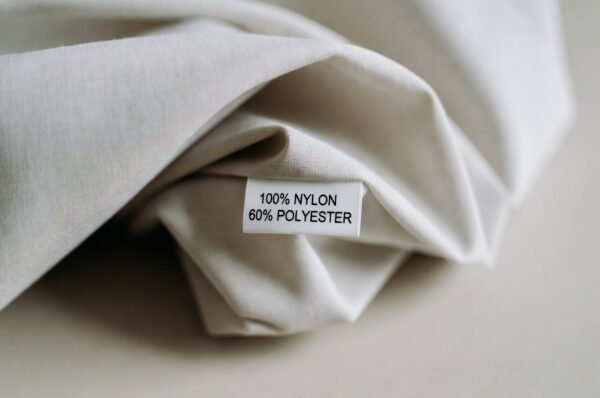
Learning how to read yarn labels is a crucial skill for any crafter. Yarn labels provide valuable information including the weight category, recommended needle or hook size, gauge information, fiber content, care instructions, and yardage. This information helps you make informed decisions and ensures your project turns out as expected.
Pay special attention to the gauge information on yarn labels. Gauge refers to the number of stitches and rows per inch when worked with the recommended needle or hook size. Matching the suggested gauge ensures your finished project will have the correct dimensions and drape.
Choosing the Right Yarn for Your Project
When selecting yarn for your project, consider several factors beyond just the weight. The fiber content plays a significant role in how your finished item will look, feel, and perform. Understanding the differences between natural vs synthetic yarn helps you make the best choice for your specific needs.
Natural fibers like cotton, wool, and silk offer excellent breathability and comfort but may require more careful maintenance. Synthetic fibers such as acrylic and nylon provide durability and easy care, making them ideal for items that need frequent washing. At Damodaram Enterprise, we offer a wide range of both natural and synthetic options to suit every project requirement.
For guidance on selecting appropriate yarn for specific projects, refer to our comprehensive guide on how to choose the right yarn for your crochet and knitting projects in India.
Common Misconceptions About Yarn Weight
One common misconception is that yarn ply is the same as yarn thickness. This is not accurate. Ply refers to the number of strands twisted together to make the yarn, while weight refers to the overall thickness. A yarn can have many plies yet still be thin, or few plies and be quite thick, depending on how tightly the strands are twisted and the thickness of individual strands.
Another common question crafters ask is whether it’s easier to knit or crochet. The answer depends on personal preference and the specific project. Both crafts work with various yarn weights, and understanding how yarn weight affects each technique helps you choose the best approach for your project.
Estimating Yarn Quantity
Knowing how to estimate yarn quantity for any project is essential for avoiding the frustration of running short or purchasing excess materials. Yarn weight significantly impacts how much yarn you’ll need. Heavier weight yarns cover more area with fewer yards, while lightweight yarns require more yardage for the same project size.
Calculate your yarn needs by checking your pattern requirements, considering your gauge, and accounting for any modifications you plan to make. Always purchase an extra skein when possible, especially for projects where dye lot matching is important.
Working With Different Thread Types
While this guide focuses primarily on yarn, it’s worth noting that similar principles apply to threads used in other crafts. At Damodaram Enterprise, we also supply various thread types for different applications. For instance, our macrame threads come in different thicknesses, each suitable for specific project types.
Understanding thread weight is equally important whether you’re working with nylon macrame thread or traditional yarns. The same principles of matching material thickness to tool size apply across all fiber crafts.
Tips for Successful Yarn Selection
Start by carefully reading your pattern and noting the recommended yarn weight. If substituting yarn, always swatch to ensure you can achieve the correct gauge. Consider the project’s intended use when choosing between fiber types. Garments worn close to the skin benefit from soft, natural fibers, while items requiring durability work well with synthetic blends.
Think about care requirements before making your final selection. If you’re creating items that need frequent washing, choose yarns labeled as machine washable. For special occasion pieces, hand-wash-only fibers may be acceptable.
Why Choose Damodaram Enterprise
At Damodaram Enterprise, we pride ourselves on being a trusted supplier of quality yarns and threads for crafters throughout India. Our extensive selection includes options for every skill level and project type. We understand that choosing the right materials is crucial for successful crafting, which is why we provide detailed product information and expert guidance.
Whether you’re searching for traditional yarn for knitting and crochet projects or specialized threads for other crafts, we have the materials you need. Our commitment to quality ensures that every product meets high standards for consistency and durability.
Conclusion
Understanding yarn weights and how to choose the right needle or hook size is fundamental to successful knitting and crochet. By familiarizing yourself with the standard weight system, learning to read yarn labels, and considering your project requirements, you’ll be well-equipped to make informed decisions. Remember that practice and experimentation are part of the learning process, and don’t hesitate to try different combinations to discover what works best for you.
At Damodaram Enterprise, we’re committed to supporting your crafting journey with quality materials and helpful resources. Whether you’re just beginning or looking to expand your skills, we’re here to provide the yarns, threads, and knowledge you need to bring your creative visions to life.