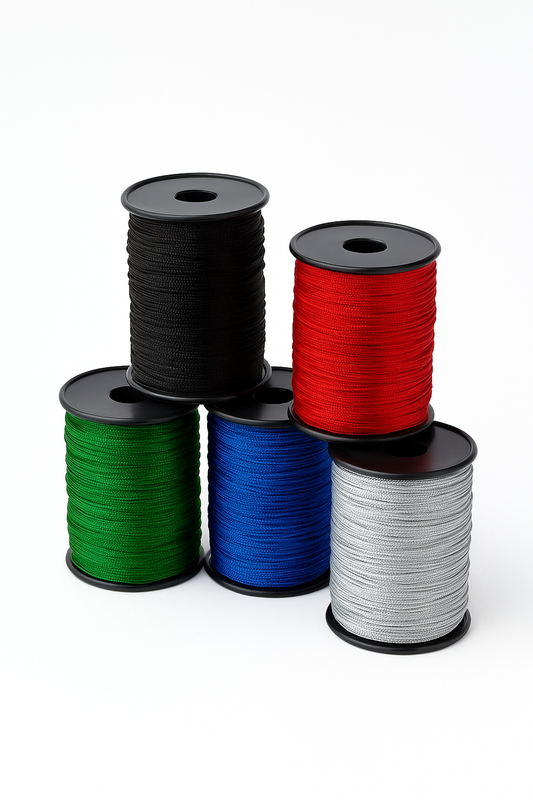
What Is Organic Dyed Mouli?
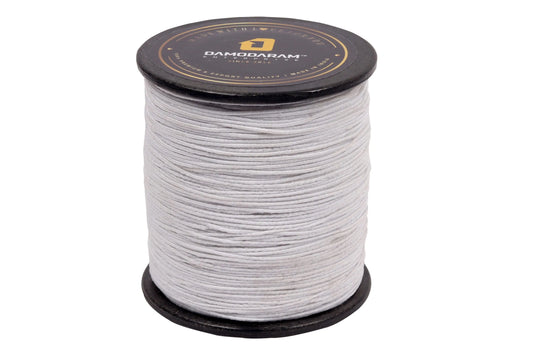
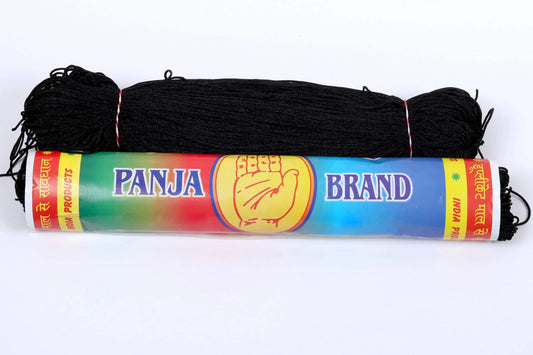
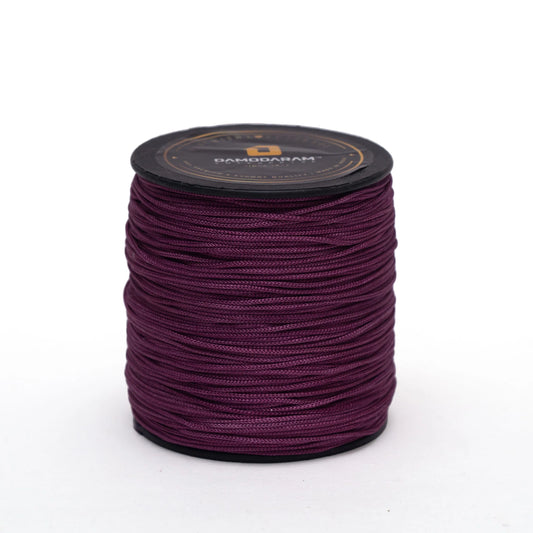
Organic Dyed Mouli refers to handloom fabric—typically silk or cotton—dyed using 100% natural, plant-based colorants instead of synthetic chemical dyes. The term “Mouli” (also spelled Mauli) traditionally denotes sacredThread or fabric in Indian culture, often associated with purity and spiritual significance. When this fabric is dyed with organic dyes derived from roots, leaves, flowers, bark, and minerals, it becomes a sustainable, skin-friendly, and eco-conscious textile that honors centuries-old Indian weaving traditions.
Key Characteristics of Organic Dyed Mouli
The Traditional Organic Dyeing Process for Mouli Fabric
Creating Organic Dyed Mouli is a time-intensive artisanal process that requires multiple steps and immense care. Here is how skilled artisans transform raw yarn into beautifully colored fabric:
1. Preparing the Yarn
Before dyeing, pure mulberry silk or cotton yarn is thoroughly washed to remove natural oils and impurities. This ensures better dye absorption.
2. Mordanting
A mordant is a natural substance used to fix the dye to the fabric. Artisans use plant-based mordants such as:
- Myrobalan (haritaki)
- Alum
- Pomegranate rind
Without mordanting, colors may fade over time.
3. Creating the Dye Bath
Different natural materials create specific colors:
Each material is boiled, strained, and mixed in precise ratios. Color variations occur based on climate, water pH, and harvest season, making every piece unique.
4. Dyeing the Yarn
Silk yarn is dipped multiple times in the dye bath for depth and vibrancy. After each dip, it is sun-dried naturally. Some colors require over a week of repeated dyeing and drying.
5. Weaving the Fabric
Once dyed and dried, the yarn is handed to master weavers who create handloom Mouli fabric with traditional motifs. For more on handloom sustainability, visit our shop collection.
Benefits of Choosing Organic Dyed Mouli
Health and Skin Benefits
Organic dyed fabric is gentle on skin, making it ideal for people with sensitive skin or allergies. The skin absorbs beneficial properties from botanicals when wearing Ayurvastra-dyed yarns.
Eco-Friendly and Sustainable
- Reduced Water Pollution: Natural dyeing doesn’t release harmful chemicals into water sources
- Biodegradable Waste: Leftover dye materials can be composted
- Minimal Energy: Sun-drying and handmade processes consume less energy
Artisan Welfare
Artisans working with organic dyes are not exposed to toxins, leading to better health and safety. This supports ethical fashion and fair trade practices.
Unique Aesthetic Appeal
Organic dyes offer:
- Softer, richer shades
- Slight irregularities giving handmade character
- Natural sheen enhancing fabric texture
- Colors that age gracefully over time
For our complete range of sustainable textiles, explore our shop.
Cultural Significance of Mouli in Indian Tradition
The term “Mouli” holds deep spiritual meaning in Sanskrit, literally translating to “crown” or “above all”. Mauli thread (also called Kalava) is a sanctified cotton thread dyed in red and yellow combinations, believed to bestow blessings from Tridev (Brahma, Vishnu, Mahesh) and Tridevi (Lakshmi, Saraswati, Durga).
When extended to fabric, Organic Dyed Mouli carries this spiritual purity combined with environmental consciousness. Wearing naturally dyed fabric connects the wearer to ancient Indian traditions while supporting modern sustainability goals.
How to Care for Organic Dyed Mouli Fabric
Proper care ensures your Organic Dyed Mouli pieces last for generations:
- Hand wash separately in cold water with mild soap
- Avoid direct sunlight when drying—shade dry instead
- Do not wring or twist the fabric aggressively
- Store in cotton bags to allow breathing
- Iron on low heat while slightly damp
Natural dyes may bleed slightly during the first wash, which is normal. This distinguishes authentic organic dyeing from synthetic processes. For shipping and return details on your Mouli purchases, check our shipping and returns policy.
Organic Dyed Mouli vs. Other Natural Fibers
Comparison with Alternative Sustainable Fabrics
For more sustainable fabric options, browse our featured products.
Why Organic Dyed Mouli Is Gaining Popularity in 2026
The global shift toward conscious fashion has driven demand for Organic Dyed Mouli. Key trends include:
- Rising Environmental Awareness: Consumers reject toxic synthetic dyes polluting rivers
- Health-Conscious Shopping: People prioritize non-toxic, skin-safe fabrics
- Heritage Revival: Interest in traditional Indian crafts is resurging
- Wedding and Festival Fashion: Couples seek sustainable bridal/traditional wear
- Celebrity and Influencer Endorsement: Conscious fashion icons promote natural dyes
To see our latest arrivals in organic-dyed collections, visit our recent products.
Where to Buy Authentic Organic Dyed Mouli
When purchasing Organic Dyed Mouli, verify:
- Certification: Look for Silk Mark or organic certifications
- Artisan Story: Reputable sellers share maker information
- Color Consistency: Authentic pieces show slight variations
- Price Point: Handcrafted organic dyeing commands premium pricing
- Return Policy: Check our return and refund policy for peace of mind
Visit our best-selling collection to explore top-rated Organic Dyed Mouli pieces favored by customers.
Frequently Asked Questions About Organic Dyed Mouli
Is Organic Dyed Mouli suitable for sensitive skin?
Yes. Organic dyes are non-toxic and hypoallergenic, making them ideal for sensitive skin.
How long does the organic dyeing process take?
Complete dyeing and drying can take over a week for deep colors.
Will the color fade quickly?
Organic dyes age gracefully, mellowing beautifully over time rather than fading abruptly.
Is Organic Dyed Mouli more expensive?
Yes, due to labor-intensive handmade processes and premium natural materials.
Can I machine wash Organic Dyed Mouli?
Hand washing is recommended to preserve color integrity and fabric quality.
For more answers, see our FAQ page.
Conclusion: Embrace Sustainable Luxury with Organic Dyed Mouli
Organic Dyed Mouli represents a perfect fusion of ancient Indian craftsmanship and modern sustainability. By choosing naturally dyed handloom fabric, you support artisan communities, protect the environment, and wear clothing that is gentle on your skin.
The revival of organic dyes isn’t just a fashion trend—it’s a step toward responsible craftsmanship respecting both people and planet. Whether for weddings, festivals, or everyday elegance, Organic Dyed Mouli adds authenticity, grace, and soul to your wardrobe.
Ready to make a conscious fashion statement? Browse our top-rated collection for premium Organic Dyed Mouli pieces. Have questions? Contact our team via contact us or visit our about us page to learn about our commitment to sustainable craftsmanship.