Pooja Thread: The Sacred Cotton Thread for Hindu Rituals, Protection, and Divine Blessings

Pooja thread, also widely known as Kalawa, Kalava, Mauli, Moli, or Raksha Sutra, is an essential element in every Hindu puja, havan, and religious ceremony. This simple yet powerful cotton thread—usually in vibrant red with yellow or saffron accents—holds immense spiritual significance. It is used to invoke divine protection, strengthen sankalpa (sacred resolve), and create a shield against negative energies and the evil eye (nazar).

In Indian households, temples, and among the global Hindu diaspora, pooja thread is tied around the wrist during rituals, attached to kalash, idols, or sacred items, and distributed as a symbol of blessings. Many devotees use the terms pooja thread, mauli thread, and kalava thread interchangeably, as they all refer to the same auspicious sacred thread central to Sanatan Dharma practices.

In this comprehensive SEO guide by Damodaram Enterprise, we cover everything you need to know about pooja thread — its meaning, spiritual benefits, correct usage, differences from other protective threads, and why premium quality matters when buying for personal, temple, or wholesale needs.

What is Pooja Thread?

Pooja thread is a specially prepared cotton thread made from high-quality spun cotton yarns. It is twisted multiple times and dyed in traditional auspicious colors—primarily red (symbolizing Shakti, energy, and vitality) combined with yellow or saffron (representing purity, knowledge, and prosperity).

Unlike regular sewing thread, embroidery thread, or even macrame thread, pooja thread is sanctified during rituals. Priests or family elders often twist it seven times while chanting mantras, infusing it with sattvik energy. The result is a soft, skin-friendly, durable thread that maintains its color and strength throughout the ritual period.

Common Names for Pooja Thread:

  • Pooja Kalawa / Kalava
  • Mauli / Moli Thread
  • Raksha Sutra
  • Charadu (in some South Indian traditions)

High-quality pooja threads from reputable manufacturers like Damodaram are made using pure cotton, ensuring they remain soft, non-allergenic, and color-fast even after repeated knotting and exposure to ritual elements.

Spiritual Significance and Benefits of Pooja Thread

In Hindu tradition, tying pooja thread is a Vedic practice rooted in ancient scriptures. It is believed to invoke the blessings of the Trideva (Brahma, Vishnu, Shiva) and Tridevi (Saraswati, Lakshmi, Parvati). The thread acts as a divine bond between the devotee and the deity.

Key Spiritual Benefits:

  • Raksha (Protection): Creates a protective aura against evil eye, negative energies, black magic, and planetary doshas.
  • Sankalpa Reinforcement: Symbolizes the devotee’s firm resolve to complete the puja or ritual with purity and devotion.
  • Health and Well-being: The gentle pressure on wrist points is said to balance energies, improve circulation, and promote mental calmness.
  • Prosperity and Longevity: Red color represents life force and courage, inviting positive vibrations, happiness, and divine grace.

Mythological Connections: Legends describe Goddess Lakshmi tying a protective thread on King Bali. Similar threads appear in stories from the Ramayana and Mahabharata for safeguarding loved ones. During Raksha Bandhan, the rakhi serves the same protective purpose between siblings.

In modern times, the ritual also offers psychological benefits — fostering mindfulness, gratitude, and a sense of rootedness in fast-paced urban life.

Wrist Guidelines:

  • Men and unmarried individuals: Usually tied on the right wrist.
  • Married women: Often on the left wrist (symbolizing the traditional seating position beside the husband). Regional customs may vary, so follow your family priest or tradition.

The thread is typically worn for 7 to 21 days or until it naturally frays. Remove it respectfully and immerse it in flowing water or leave it at a temple.

Pooja Thread vs Kalava Thread vs Mauli Thread vs Black Thread

Pooja thread, kalava thread, and mauli thread essentially refer to the same red-yellow sacred cotton thread used in general auspicious rituals. The names differ mainly by region and context.

However, it is distinct from black thread (kala dhaga):

  • Pooja / Kalava / Mauli Thread: Red and yellow tones used to attract positive energy, invoke deities, and seek blessings during pujas, weddings, and festivals.
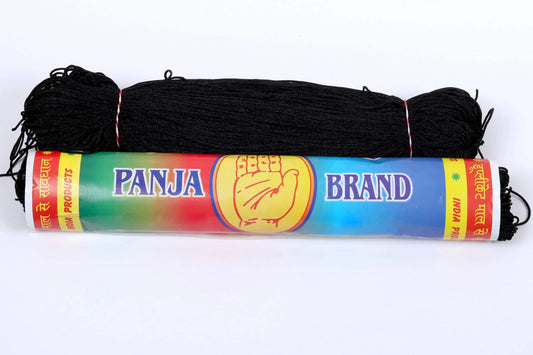
  • Black Thread: Primarily used for absorbing specific negative influences, nazar, or malefic planetary effects (especially Shani or Rahu). It is often advised by astrologers and tied on ankles, waist, or other areas as per dosha.

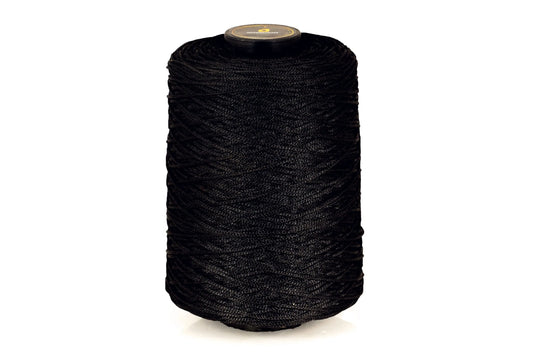
Many families use both together — pooja thread for overall auspiciousness and black thread for targeted protection. Damodaram offers premium quality in both categories, including specialized 1mm black macrame thread options.

Learn more in our detailed guides: Black thread in astrology: who should wear it and when Kala dhaga for babies: why do Indian parents tie it to newborns?

How to Tie Pooja Thread: Step-by-Step Ritual Guide

Tying pooja thread is a simple yet deeply reverent act:

  1. Sanctification: During the puja or havan, the thread is twisted (usually seven times) while chanting protective mantras.
  2. Position: Sit facing east or north. Extend the correct wrist.
  3. Knotting: Tie three or seven knots, each representing a divine blessing or personal sankalpa.
  4. Mantra: Recite a simple prayer such as “With this pooja thread, I seek divine protection and blessings.”
  5. Duration and Removal: Wear it with faith. Remove only when it frays or after the prescribed days. Dispose respectfully — never in the garbage.

Using inferior thread that fades, breaks easily, or causes skin irritation can reduce the ritual’s sanctity. Always choose soft, pure cotton pooja thread from trusted sources.

Versatile Uses of Pooja Thread in Hindu Practices

Pooja thread is not limited to wrist tying. Its applications include:

  • Tying around puja kalash, deity idols, or sacred vessels to sanctify them.
  • During havans, yagnas, and sankalpa ceremonies.
  • As part of rakhi on Raksha Bandhan.
  • Protecting new homes, vehicles, or electronic items by tying on handles or frames.
  • Bulk distribution in temples and pooja kits for festivals like Navratri, Diwali, and weddings.
  • Daily subtle wear under sleeves as a constant reminder of faith.

For devotees who enjoy blending tradition with creativity, high-strength cotton threads are sometimes used in religious craft projects, though authentic pooja thread remains 100% cotton.

If you are into crafting alongside rituals, explore our guides on macrame thread wholesale or types of stretch fabric and stretch thread for decorative pooja decor ideas.

Why Quality Matters: Choosing the Best Pooja Thread Supplier in India

With many options available online and in local markets, quality varies greatly. Cheap pooja threads may use synthetic mixes, bleed color when wet, or fray quickly, affecting both appearance and spiritual suitability.

What Makes Premium Pooja Thread Stand Out:

  • 100% high-grade cotton for softness and skin comfort.
  • Vibrant, even dyeing that is color-fast and non-bleeding.
  • Proper multi-ply twisting for strength and durability.
  • Free from harmful chemicals; hypoallergenic.
  • Available in convenient spools, rolls, or pre-cut lengths for retail and bulk use.

Damodaram Enterprise is recognized as a leading raksha sutra kalawa supplier and bulk thread supplier in India. We manufacture pooja thread using superior cotton, meeting the highest standards required by temples, wholesalers, retailers, and exporters. Indian manufacturers and businesses trust Damodaram for consistent quality, reliable supply, and competitive pricing on large orders.

Discover why businesses prefer us: Why Damodaram is the best raksha sutra kalawa supplier in India How to choose the best thread supplier in India Bulk thread supplier in India: why businesses choose Damodaram

Pooja Thread in Modern Life

Even today, pooja thread remains highly relevant. Urban professionals wear it discreetly as a symbol of faith. Global Hindu families continue the tradition during online pujas. Parents tie it on newborns for protection, and many young people incorporate it into minimal jewelry designs.

The red color is known to uplift mood through color psychology, while the ritual itself encourages presence and emotional well-being.

Conclusion: Embrace the Sacred Power of Pooja Thread

Pooja thread is much more than a colored cotton string — it is a living symbol of divine protection, devotion, cultural heritage, and positive energy in Hinduism. From ancient Vedic times to contemporary rituals, it continues to bless millions with strength, prosperity, and peace.

When buying pooja thread, always prioritize authenticity and quality to honor its sacred purpose. Damodaram Enterprise is committed to preserving this beautiful tradition by supplying premium pooja kalawa and raksha sutra that meet the needs of devotees, temples, and businesses across India and beyond.

Ready to bring home or stock high-quality pooja thread? Explore our complete range of sacred threads today. For related crafting needs, check our popular products like 3mm macrame thread or nylon macrame thread for DIY projects.

May the sacred pooja thread always surround you and your loved ones with divine raksha, blessings, prosperity, and peace.